
What is the difference between antistatic and ESD footwear?
To avoid accidents of this kind, we distinguish two categories of safety shoes: insulating and conductive shoes. While insulating shoes isolate you completely from the ground, conductive shoes conduct electric charges to the floor. Conductive shoes are either antistatic or fitted with an ESD system. But what is the difference between the two types of shoes?
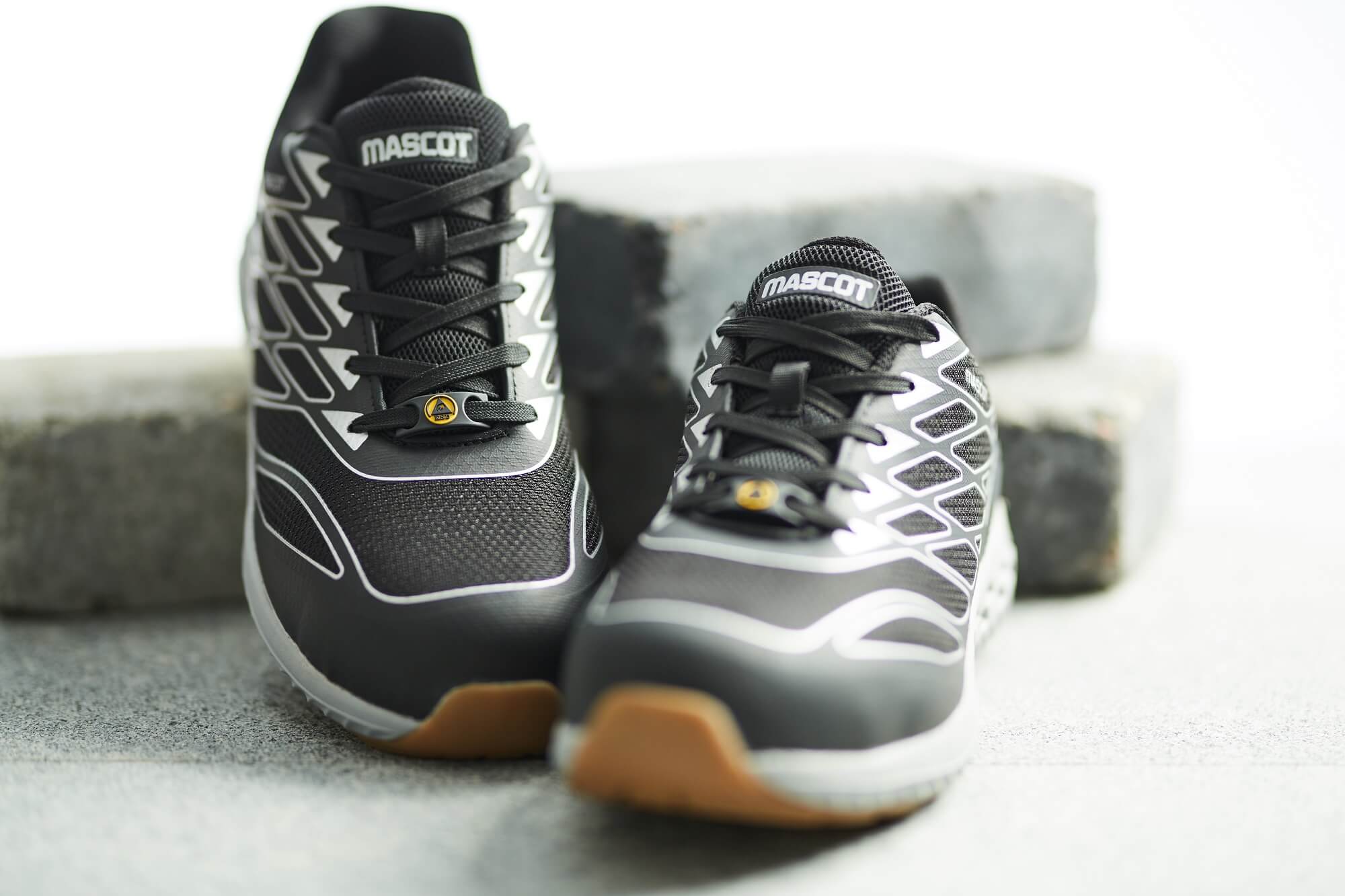
ESD (Electrostatic Discharge) and antistatic footwear are two different types of protective footwear used to prevent electrostatic charges and the transfer of electrostatic discharges between a person and electronic components or sensitive devices. Although the terms are sometimes used as synonyms, there are some differences between them.
Antistatic footwear: Antistatic footwear is usually made from materials that prevent electrostatic charges from building up on the surface of the shoe. These materials help create a conductive path that allows electric charge to pass through the footwear. Antistatic footwear helps maintain the balance of electric charge on the human body, but it does not provide complete protection against electrostatic discharges. Antistatic footwear has an electrical resistance of between 0.1 megohm and 1000 megohm. These protective work shoes do not allow static energy to accumulate in your body and so prevent sparks that could cause a fire or explosion. Antistatic footwear is ideal in environments where solvents and fuels are used.
It is good to know that work shoes marked S1, S1P and S3 are always at least antistatic.

ESD footwear: ESD footwear is a special type of protective footwear that provides advanced protection against electrostatic discharges. ESD footwear is made from materials that provide better conductivity and reduce electrostatic discharges to a minimum. In addition, ESD footwear is often connected to an earthing system, which allows electrostatic charges to be diverted directly into the ground. This reduces the risk of damage to sensitive electronic devices from sudden discharges of electric charge. The electrical resistance of ESD footwear is between 0.1 megohm and 100 megohm, which is even lower than for antistatic footwear. This means that the build-up of electrostatic charges will be even more limited and that they will be dissipated about ten times faster. Footwear with ESD protection also prevents sparks and can even protect sensitive electronic equipment.
You can recognise ESD footwear by the yellow marking, which must be visible on the footwear.
In general, we can say that antistatic footwear is the basic form of protective footwear that prevents the build-up of electrostatic charges, while ESD footwear is more advanced and provides better protection against electrostatic discharges through the use of special materials and earthing systems.
You can view all of our antistatic and ESD protective work shoes here. Visit us at our store in Vir near Domžale, where you can also try on safety footwear. You are welcome!