
Protection effectiveness - bump cap vs. helmet?
Bump caps
Bump caps are safety equipment that protects the wearer from minor knocks to the head and scrapes, but not from falling or flying objects. Bump caps are suitable where there is a risk of the head striking stationary objects, such as low ceilings, the underside of a vehicle (especially for mechanics) and overhead pipework.
What protects the head is the removable safety insert of the cap, not the fabric cap itself. This makes cleaning easy and allows customisation techniques such as embroidery.
Protection performance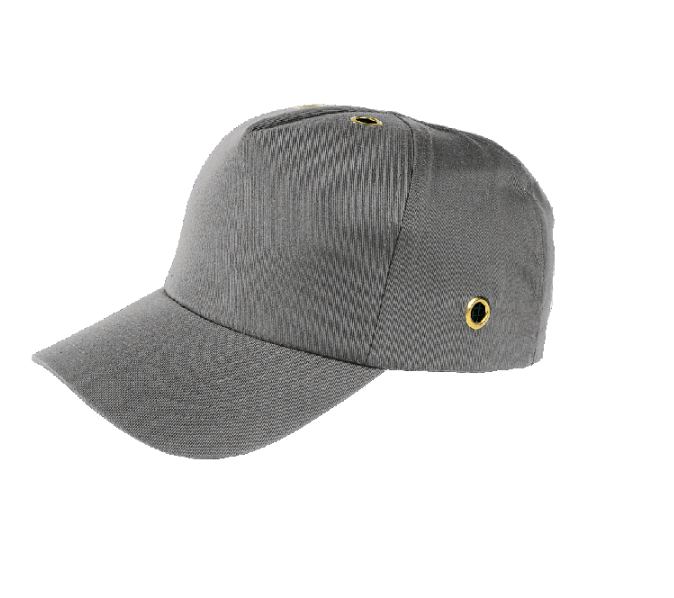
These caps, also known as "bump hats", are inexpensive and easy to wear, almost like a safety version of a baseball cap, but they are not intended for really high impact risks.
A bump cap protects you from stationary objects. As the name suggests, they are intended solely to protect against bumping your head, not against other objects striking your head.
Service life
You can test the shell by pressing it against a hard surface with both hands. If the material springs back, the cap is still effective. Compare it with the elasticity of a new shell. If it does not have the same properties or has cracks, it must be replaced.
Ease of use
Bump caps are not as tall as helmets and therefore do not add to the height of your head. This reduces the chance of bumping into objects. Compared with safety helmets, bump caps are lighter and do not restrict your field of vision.
Bump caps provide basic protection for your head when the risk of head impacts is not high. Where there is a risk of collision with moving objects, a safety helmet must be used.
Safety helmets
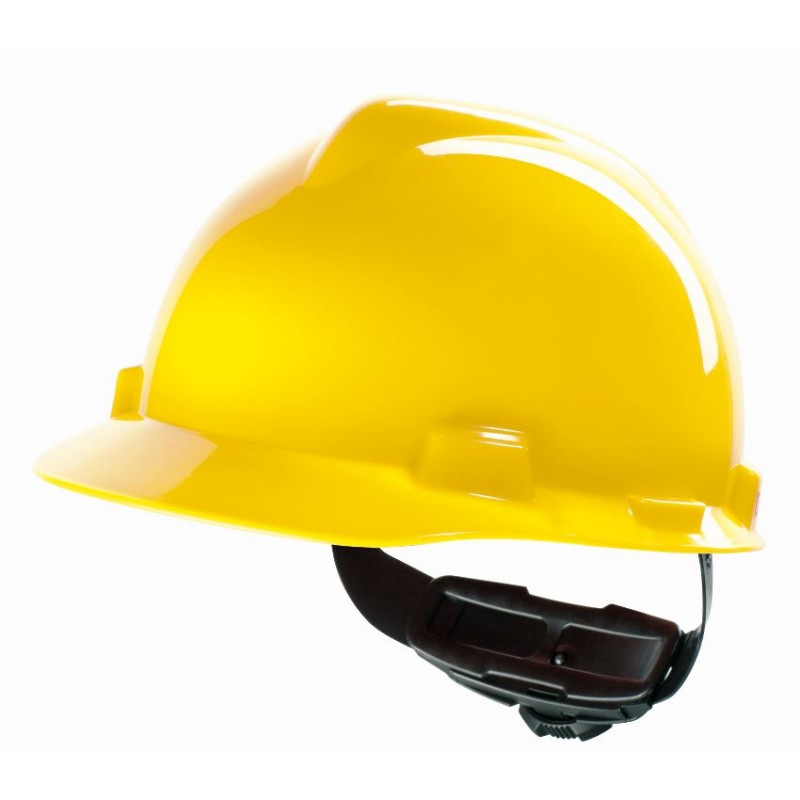
Safety helmets are an essential part of personal protective equipment (PPE). They are made of hard materials such as polymer, metal or fibreglass. They protect the wearer when working in places where debris and falling objects pose a potential risk of head injury.
Safety helmets, which are mandatory on construction sites, can withstand greater impacts and protect the wearer's head from blows.
 Protection performance
Safety helmets are designed to protect against impacts that would otherwise cause serious head injuries or even death. They protect you by absorbing impacts and, when worn correctly, provide the best head protection. Safety helmets are resistant to penetration, falling objects and extreme heat.
Service life
Your safety helmet can protect your head for around 8 years. Otherwise, the service life of your safety helmet also depends on your working environment and its factors, such as:
- exposure to sunlight
- extreme temperatures
- exposure to chemicals
- frequency of use
You must inspect your safety helmet every day and determine whether the shell, the suspension or even the entire unit needs to be replaced. You must also replace the safety helmet if it has taken a blow.
Replace it if you notice any of the following on it:
- cracks
- dents
- cuts
- frayed straps
- tears
- reduced flexibility
Heat, sunlight and exposure to chemicals also affect your safety helmet. They can make the shell chalky, nicked and less flexible.
Ease of use
A safety helmet has many adjustable features, so it needs to be fitted well to be comfortable. For extra comfort, you can wear bandanas, caps and hoods under your safety helmet, as long as they are smooth on top of the head. Make sure you avoid pressure points. Most importantly, your safety helmet should fit you well, not wobble on your head, and not be damaged.
Conclusion
Both safety helmets and bump caps provide a certain level of head protection. What you need for your industry depends on the potential hazards to which you and your workers are exposed. The type of head protection you need depends on the workplace and the working environment.
If there is a risk of heavy impacts, a safety helmet is essential. For protection against minor knocks to the head and cuts, you can use caps alone. Headwear is always a good idea, as it also protects you from weather conditions such as strong sun, especially in the summer months.
Here you can see all our headwear.