
Is 100% cotton suitable for protective workwear?
HOW IS COTTON MADE?
Cotton is a natural fibre made from 100% cellulose, a plant material that can easily be recycled and reproduced again and again.
Natural cotton is coated with a waxy substance meant to protect the cotton plant from adverse weather and predators, but this waxy substance can be removed, creating a cotton material that is highly absorbent.
CHARACTERISTICS OF COTTON
When worn, cotton is soft on the skin, breathes and is hypoallergenic, which is why it is also often used in the beauty and hygiene sector.
As a fabric, it is known above all for its comfort and durability, which means it allows considerable moisture evaporation and airflow, a much-needed property for workwear.
The downsides of cotton include its tendency to shrink when washed and dried at industrial temperatures, and compared with polyester it is also prone to fading over time and is less durable. Cotton also does not wick moisture. Once it gets wet, it stays wet and, depending on the thickness of the fabric, takes some time to dry.
This is precisely why, in the manufacture of workwear, cotton is often blended with other fabrics that increase durability and reduce the sensitivity of natural fibres. The most common blend you will find when choosing workwear is a blend of cotton and polyester in various proportions.
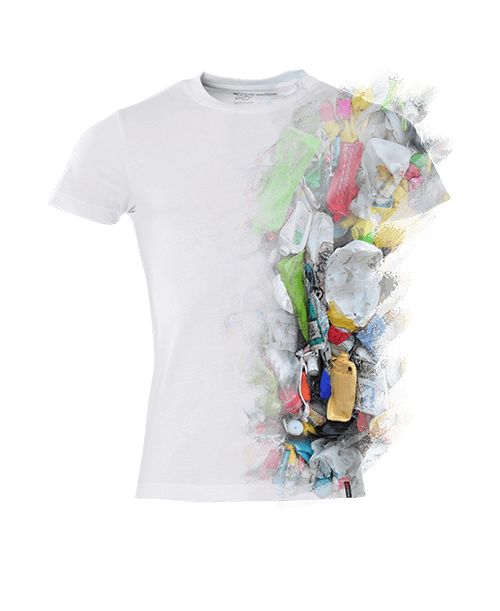 HOW IS POLYESTER MADE?
Unlike cotton, polyester does not occur naturally. To make polyester fabric, polyester pellets must first be produced, which are then melted and pushed through tiny holes to form thread-like fibres. Manufacturers can vary the thickness of the fibres by changing the diameter of the holes through which the polyester is extruded. Once these fibres are made, they can be woven into materials and used to make a variety of products, including clothing and workwear.
Polyester is a man-made fibre made from petroleum derivatives. Sportswear is made almost exclusively from various types of polyester, and it is also used for many types of safety workwear. Thanks to its ability to wick moisture, it is one of the most popular clothing choices, which makes it an excellent choice for busy tradespeople and those who work outdoors in summer. Polyester holds its colour better than natural fabrics such as cotton, and it also shrinks less. In addition, polyester fabric is very light and very durable. Polyester is very hard-wearing. Because of its plastic nature, it is resistant to water, stains and wrinkles. Polyester does not break down, so it can withstand a lot of wear.
The downsides of polyester are its slightly rougher surface compared with cotton and its tendency to smell if worn in very sweaty conditions. Polyester is often blended with cotton to ensure a good balance of comfort, durability and high performance.
CONCLUSION
So, is 100% cotton suitable for protective workwear, or is it better to choose a blend? The answer is: it depends on your work environment and needs.
Cotton, as a natural material, is exceptionally light and breathable. These properties make it ideal for summer workwear and for those who tend to sweat heavily. It is also excellent for anyone working near sparks, as it prevents a burn mark from spreading across the fabric.
But if your work exposes you to a high risk of wear, or if your job even requires a particular standard, such as the high-visibility standard, then 100% cotton is not always the ideal choice.
Nowadays, technology also gives us two-layer fabrics, which offer the advantages of several fabrics without directly blending the fibres. In multi-layer fabrics it is common to use 100% cotton as the inner fabric in contact with the skin, while a durable, functional material such as polyester is used as the outer fabric. This is especially common in high-visibility workwear, which must be comfortable while also providing high colour fastness and protection against the weather and abrasion.
WHY IS THE CHOICE OF MATERIAL FOR WORKWEAR SO IMPORTANT?
Most people wear workwear for at least 8 hours a day, which is quite long to be in uncomfortable clothing or clothing that does not fit. Unlike ordinary clothes, workwear must be durable enough to cope with the challenges of the workplace. This means it must not tear easily, it must breathe, and it must allow workers to work comfortably all day.
Above all, workwear must ensure the safety of your workers. Whether they work on their hands and knees, at height or in bad weather, you want their workwear to always protect them. Quality, safe workwear and personal protective equipment will prevent injuries and improve efficiency. That is why it is important to choose a material that meets all requirements, whenever possible!
If you need help choosing the ideal material for your work environment, our experts can help you and also advise you on other aspects of workwear or other work equipment. Contact us by phone on 01 724 82 58 or write to us at info@utg-vodnik.si. You can also visit us in our store in Vir near Domžale, where you can see our wide range of protective workwear and other equipment for safe work. We look forward to your visit.