
How to prepare for gardening with children?
1. KEEP AN EYE ON THE WEATHER
Spring, usually marked by high temperatures but also plenty of rain, can bring very unpredictable weather. Make sure your youngest gardeners are not caught by surprise by following the forecasts and being aware of rapidly changing conditions.
 2. DRESS FOR A MESS
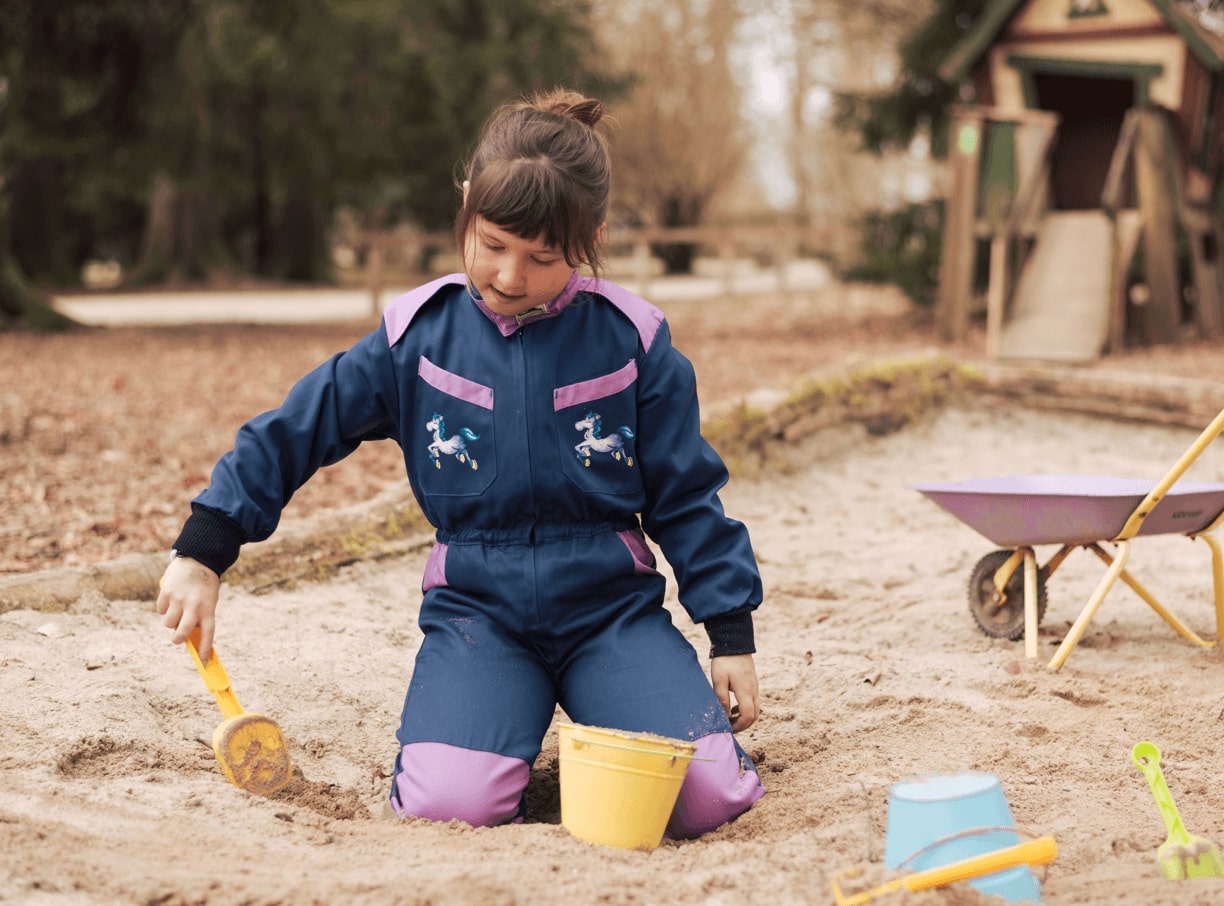
One of the best parts of gardening is embracing the dirt! Old clothes, a children's coverall or dungarees, children's gardening gloves and of course good rubber boots or garden clogs can be a great help. Getting messy is part of the fun, so don't be afraid of a little dirt. It will even do your little one good, and they will be absolutely thrilled with carefree play and creating!
3. FIND THE RIGHT TOOLS
From watering cans to rakes - the right child-sized tools are important for making the garden enjoyable, helping little ones learn gardening skills more easily and develop a sense of responsibility and ownership.
4. TALK ABOUT PLANT SAFETY
Gardening is a great opportunity to help children understand the difference between edible and inedible (or even poisonous) plants. Which plants in your yard or neighbourhood should be avoided? It is also a great time to remind children that it is important to wash edible produce thoroughly before tasting it, even if they would rather nibble straight from a pot of fresh lettuce.
5. SET UP SEPARATE AREAS FOR EDIBLE PRODUCE AND INEDIBLE PLANTS
Especially when gardening with children, it is essential that edible and inedible plants (flowers, etc.) are in separate, well-defined, clearly marked areas. Young plants that are only just growing out of the soil can look very similar - for example, a daffodil that is not yet in bloom looks quite like a garlic clove, and so do bulbs. Although it is a wonderful spring plant, all parts of the daffodil are poisonous, so you don't want a child (or an adult) to pull it out of the garden by mistake and put it in their mouth to nibble on.
6. CHECK GARDEN AREAS FOR SAFETY HAZARDS
Even if you are only in your own yard, it is always a good idea to quickly scan the garden area for possible hazards. A quick check for things like rusty nails, pieces of broken pots and so on will let you sleep soundly.
7. PRACTISE ORGANIC GARDENING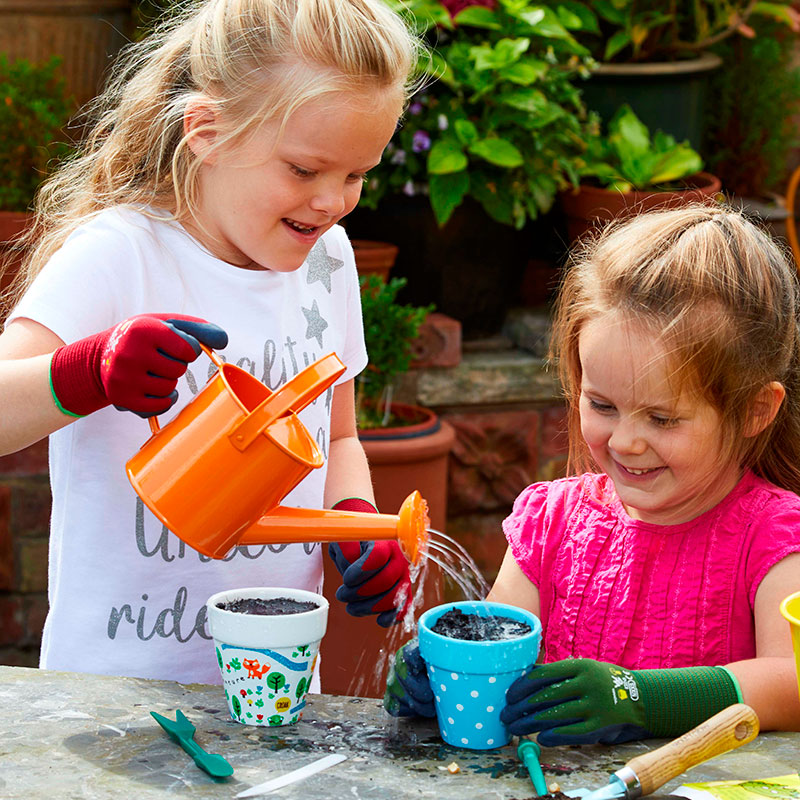
Gardening with children is one more good reason to avoid chemicals and toxic sprays.
8. WATCH OUT FOR ALLERGIES
However lovely spring may be, seasonal allergies are common - and not only in adults! Watch for allergy symptoms such as excessive sneezing, itching or discharge. Remind your little ones not to touch their face and eyes. Leave pollen, mould and soil outside by changing clothes or taking off the coverall after gardening and washing hands well.
9. WATCH THE SUN
At this time of year, when temperatures are still a little cool but the sun is shining, it is easy to spend enough time in the garden to end up with rosy, sunburnt cheeks. When you are in the garden with children, don't forget to provide shade, wear hats and sunscreen and (as always!) hydrate, hydrate, hydrate!
10. TAKE CARE OF SAFETY
Protective gloves for your youngest are not just protection from dirt, but will also protect your little one's delicate hands from insect bites, thorns, nettles, scrapes and sharp surfaces. Good children's gardening gloves also have a rubber coating on the palm, which further protects your little one's grip. Make sure the gardening gloves are not too big for your child, as they will then get in the way during work that requires precision and dexterity. You can see our range of children's gardening gloves here.